2 Sep 2026
Decoding Synergies Between Payment Gateways and Game Supplier Catalogs in Mobile-First Environments for Emerging Gambling Destinations
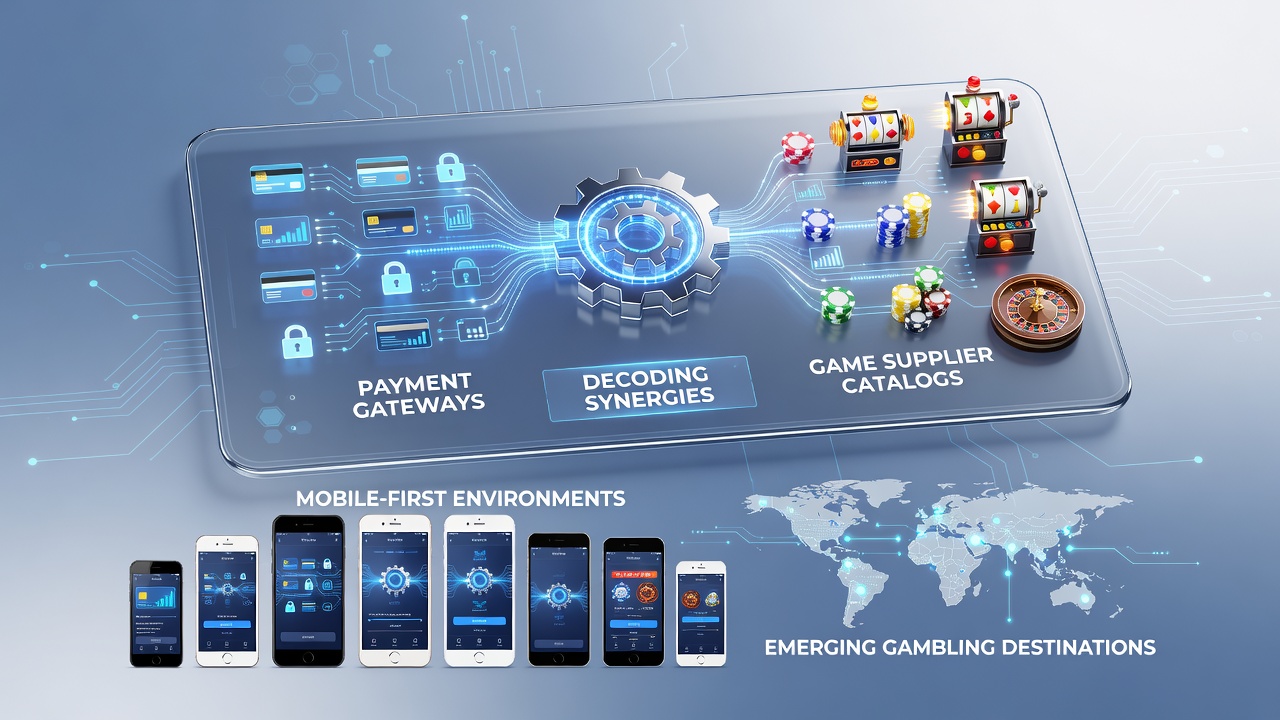
Payment gateways and game supplier catalogs have developed tight operational links in mobile-first gambling setups across emerging destinations, where local transaction systems connect directly with provider libraries to support instant access and varied game options. Observers note that these connections allow operators to align payment processing speeds with catalog updates, so players encounter fewer delays when switching between slots, tables, and live formats on handheld devices.
Payment Infrastructure Expansion in Growth Markets
Data from the World Bank shows mobile money accounts rising sharply in regions like sub-Saharan Africa and parts of Southeast Asia, where traditional banking reaches fewer users yet smartphone penetration continues upward. These systems handle deposits and withdrawals through local carriers and digital wallets, while game suppliers adjust catalog feeds to match supported currencies and transaction limits. In practice this means a supplier catalog can flag certain titles as available only after a payment clears, reducing friction for users who rely on instant top-ups during short mobile sessions.
Emerging destinations often feature regulatory shifts that reward operators who combine gateway APIs with real-time catalog synchronization, and several jurisdictions have introduced licensing tiers that require proof of such integration before full market entry. Researchers tracking transaction volumes report that seamless handoffs between gateways and catalogs correlate with higher session lengths, since players move from funding to gameplay without leaving the mobile interface.
Game Supplier Catalog Adaptations for Mobile Gateways
Suppliers have begun embedding payment metadata into their content feeds, so each game entry carries flags for supported gateways, minimum deposit thresholds, and regional availability. This setup lets operators serving Latin American or South Asian markets filter catalogs automatically, presenting only titles that align with popular local payment rails. Studies from academic groups focused on digital economies indicate that such metadata sharing cuts down on failed transactions by nearly a third in markets where currency volatility affects card processing.
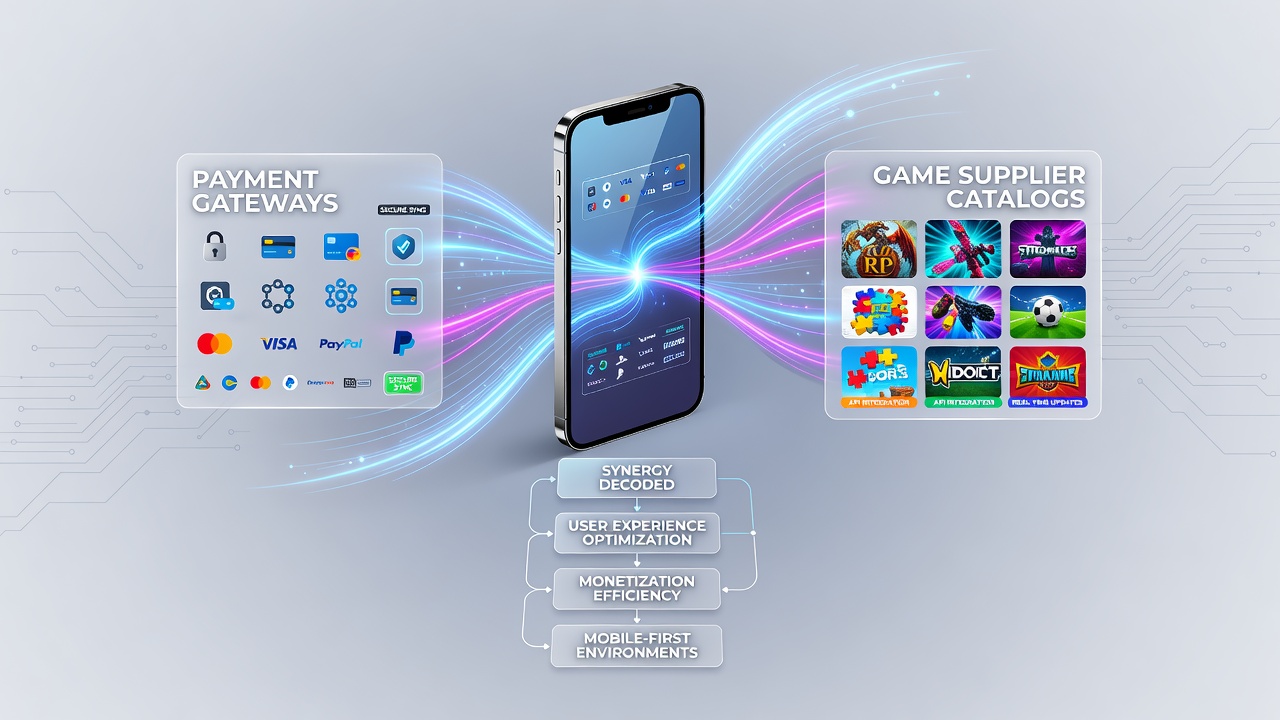
What's notable is how catalog updates now trigger gateway recalibrations in the background, allowing new releases to appear with pre-approved payment flows. In one documented rollout in an East African corridor, suppliers coordinated with gateway providers to enable bonus-triggered deposits directly inside game lobbies, which expanded playable titles without additional user steps. Such coordination relies on standardized data formats that both sides adopted over the past two years, and further refinements are scheduled ahead of September 2026 when several markets plan to expand cross-border transaction rules.
Operational Synergies and Data Flows
Joint data streams between gateways and suppliers let operators track which payment methods lead to longer engagement with specific game categories, then adjust catalog prominence accordingly. Figures from industry reports compiled by the Asia Pacific Association of Gaming Operators reveal that markets with strong gateway-catalog linkages see faster adoption of new live dealer products on mobile, since funding and seating happen in one continuous flow. Those linkages also support compliance checks, as transaction records feed directly into supplier-side responsible gaming tools that flag unusual patterns across mobile sessions.
Yet coordination remains uneven across regions, with some gateways still lacking the API depth needed for full catalog personalization. Operators in these areas often maintain separate teams to reconcile payment logs with game availability lists, which slows response times when suppliers release time-limited mobile exclusives. Research published through the International Centre for Gaming Studies highlights that standardized protocols reduce these gaps, and several emerging regulators now reference such protocols in their technical requirements for new licenses.
Regulatory Timelines and Market Readiness
By September 2026 multiple jurisdictions across Latin America and the Indian Ocean region intend to enforce updated technical standards that explicitly cover gateway-to-catalog communication. These rules require documented testing of mobile transaction paths before any new game title goes live, aiming to protect users from mismatched funding options. Early adopters who already built these connections report smoother audits, while late entrants face compressed timelines to retrofit existing systems. Industry associations tracking these changes note that suppliers offering pre-certified integration packages gain quicker approvals in the affected markets.
Conclusion
The interplay between payment gateways and game supplier catalogs continues to shape mobile gambling infrastructure in emerging destinations, with data flows, API standards, and upcoming regulatory deadlines driving further alignment. Observers tracking these developments see ongoing adjustments as markets mature and transaction volumes scale, particularly around the September 2026 milestones that will test current integration levels across multiple regions.