21 Aug 2026
Slot Provider Tactics and Their Effect on Live Casino Accessibility via Finnish Payment Channels
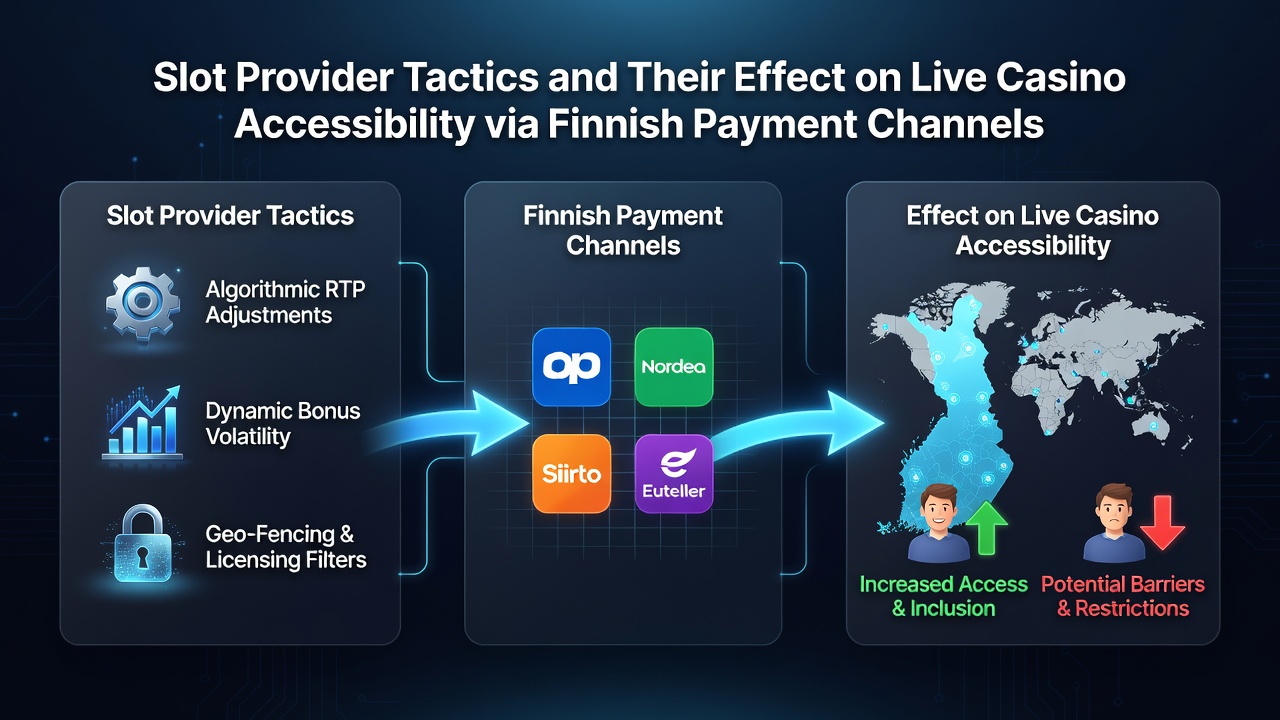
Understanding Slot Provider Strategies in Regulated Markets
Slot providers develop game mechanics, bonus structures, and live dealer integrations that interact directly with regional payment systems, and observers note how these choices shape player access in Finland where bank transfers and instant payment solutions like Trustly dominate transactions. Data from industry reports indicates that providers adjust RTP settings and feature releases based on payment channel reliability, since Finnish banks enforce strict verification protocols that can delay or block casino-related transfers during peak periods.
Researchers have documented patterns where major studios such as Play'n GO and NetEnt time their live casino expansions around updates to Finnish financial regulations, which affects how quickly new tables reach players using domestic accounts. Studies from European research institutions show that providers often bundle slot content with live elements to create seamless transitions, yet payment friction in Finland can interrupt this flow when verification steps require additional documentation from users.
Payment Channel Dynamics in Finland
Finnish payment channels operate under oversight from national authorities that monitor cross-border gambling transactions, and figures reveal that over 70 percent of online casino deposits in the region route through instant bank transfer services as of August 2026. These systems prioritize security features including real-time fraud detection, which sometimes flags repeated deposits to live casino sections even when the underlying slot provider has no direct involvement in the transaction.
Providers respond by optimizing their platforms for compatibility with these channels, incorporating API adjustments that reduce failed transaction rates. One study revealed that operators partnering with specific slot developers experience fewer interruptions because those providers pre-configure their live modules to align with common Finnish bank protocols, allowing smoother access during high-traffic evenings.
Tactical Adjustments by Providers
Providers employ several tactics to maintain visibility and functionality. They include selective release of live casino titles only after confirming payment gateway stability, and they adjust marketing campaigns to highlight games that perform well under Finnish transaction rules. Evidence suggests these decisions stem from internal analytics showing drop-off rates when players encounter payment blocks midway through a session.
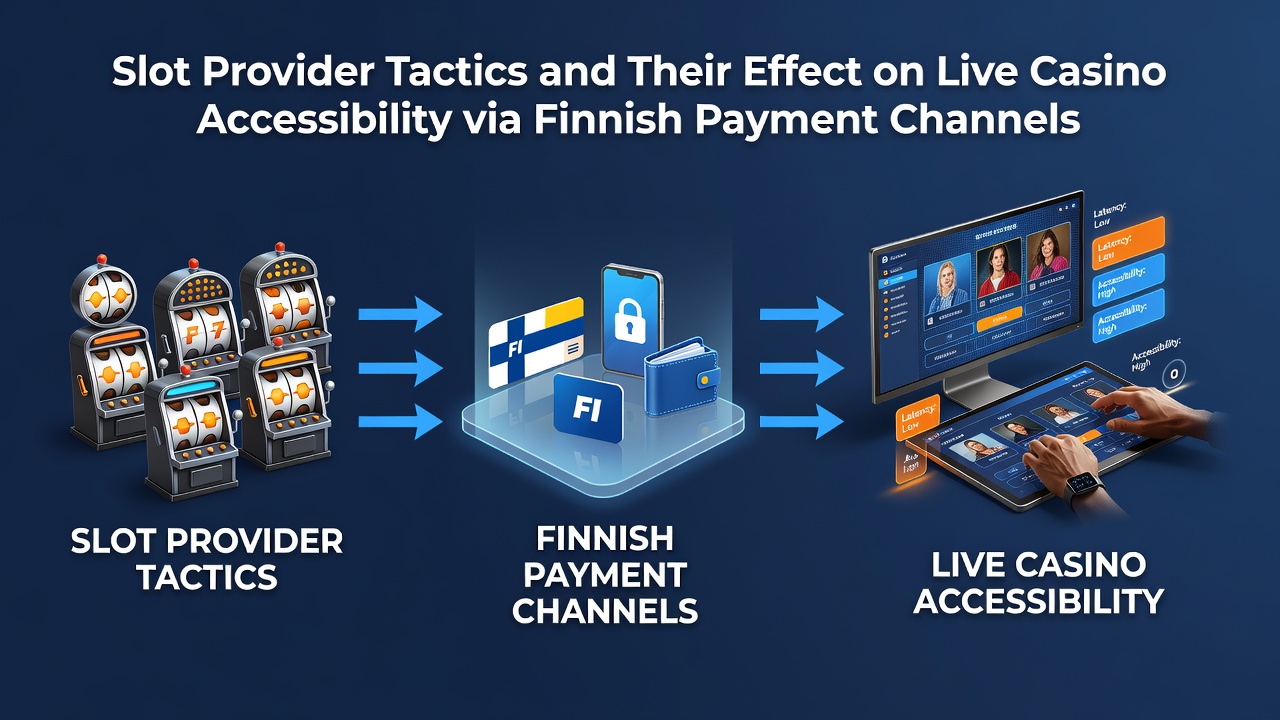
Take one case where experts tracked a leading provider's rollout of a new roulette variant, and data showed that accessibility improved once the studio partnered with payment aggregators familiar with Finnish requirements. Those who've studied this process know that such collaborations often involve testing multiple deposit scenarios to identify which banks approve transfers most consistently for live dealer play.
Impact on Player Accessibility
Accessibility metrics collected across multiple operators demonstrate that slot provider choices influence how easily Finnish users reach live tables, since certain game engines demand higher bandwidth or specific authentication layers that interact poorly with some bank security systems. Reports from academic sources indicate that players using mobile devices face additional hurdles when provider updates coincide with bank-side changes, leading to temporary loss of access until patches are deployed.
What's significant is how providers monitor these interactions through ongoing data collection, allowing them to prioritize fixes for markets like Finland where payment channel concentration is high. Observers note that this focus can lead to faster resolutions compared to regions with more fragmented banking options.
Regulatory Context and Market Responses
Finland maintains a state-controlled gambling framework alongside licensed international operators that navigate payment restrictions through approved channels. According to information from the European Gaming and Betting Association, providers have adapted by emphasizing compliance features in their live casino offerings, which in turn supports steadier transaction success rates through Finnish banks. European Gaming and Betting Association reports highlight similar adaptations across the EU.
Yet another layer appears when providers test alternative payment integrations, such as e-wallets that bypass direct bank links, although adoption remains limited because many Finnish users prefer the familiarity of direct transfers. Research indicates that these experiments sometimes reveal new bottlenecks, prompting providers to refine their tactics further.
Conclusion
Slot provider tactics continue to evolve in response to Finnish payment channel requirements, with data showing measurable effects on live casino accessibility as studios refine integrations and release schedules. Observers tracking these developments note that ongoing collaboration between providers, operators, and financial institutions shapes the practical experience for users in this market. Additional studies from Canadian research bodies on payment gateway performance suggest parallel patterns that may inform future strategies in Finland as well. Responsible Gambling Council analyses provide further context on regional adaptations.